 Skip to content

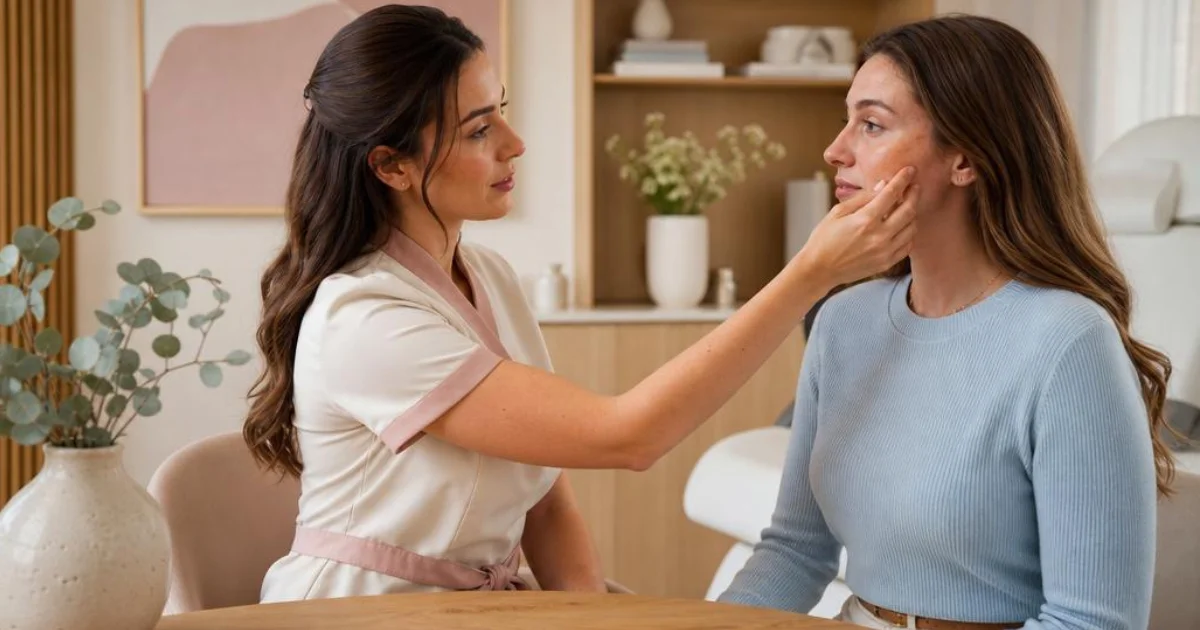
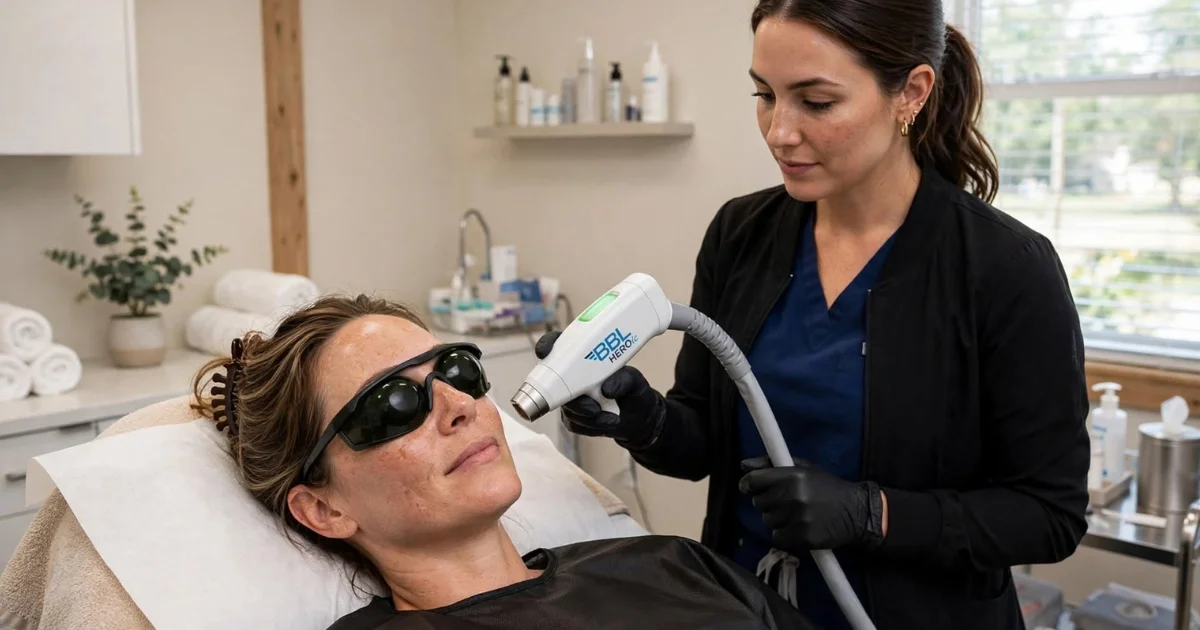
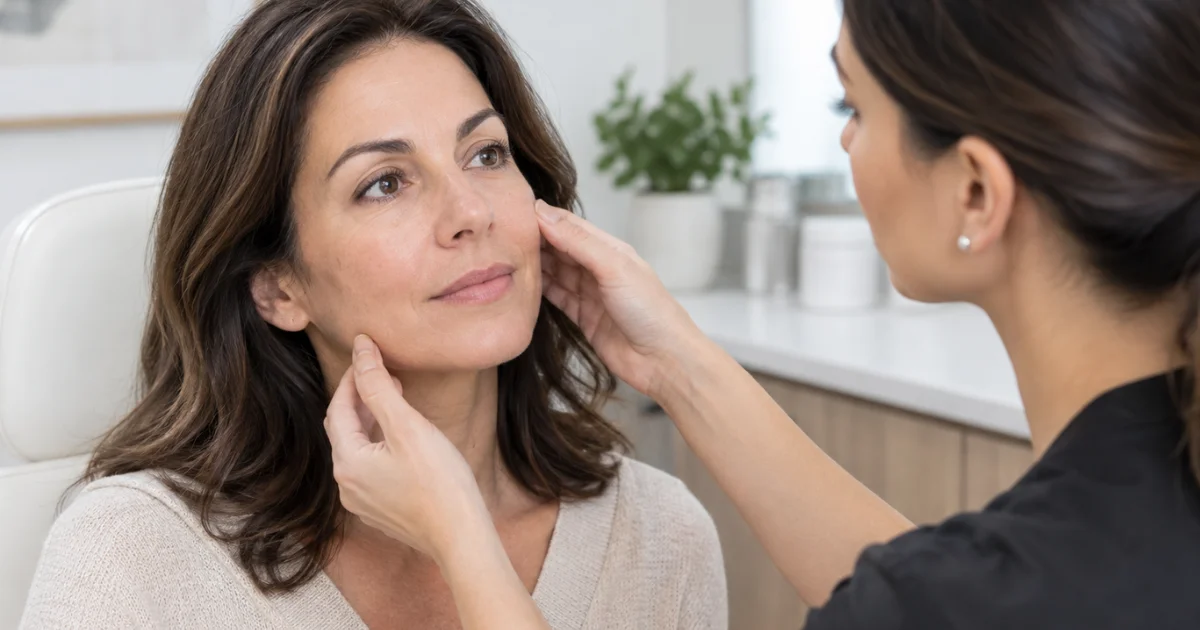

Table of Contents
Uneven tone is one of the most common reasons patients at Pure Skin and Aesthetics in Stillwater, OK, ask about microneedling. The marks left after a breakout clears, the patchiness from a long summer outdoors, the dullness makeup covers but never corrects: these are pigmentation concerns, and they behave differently than fine lines or acne scars.
The short answer is yes, with conditions. Microneedling for Hyperpigmentation helps with certain kinds of skin discoloration and is far less useful for others. Here is how we sort out which is which.
Does microneedling actually help with hyperpigmentation?
Microneedling can improve some forms of hyperpigmentation by speeding up the skin’s natural turnover, which helps surface pigment fade gradually over a series of sessions. It tends to work best on post-acne marks and general unevenness, and results vary from one patient to the next.
What Microneedling Actually Does to Discolored Skin
Microneedling uses fine needles to create controlled micro-channels in the skin, which triggers the body’s repair response. Two things follow. The first is collagen induction, the increase in collagen and elastin the treatment is best known for. The second, and the one that affects tone, is faster cell turnover in the upper layers where surface pigment sits.
We use SkinPen®, which is FDA-cleared to improve the appearance of facial acne scars in adults aged 22 and older and the appearance of neck wrinkles in certain skin types. Pigment improvement isn’t part of that cleared indication, though many patients notice it as turnover and texture improve.
Not All Dark Spots Are the Same, and That Changes the Answer
Dark spots that look identical in bathroom lighting can have completely different causes. Post-inflammatory hyperpigmentation, or PIH, is the flat brown or gray mark left behind after a breakout, bug bite, or scratch heals. It is pigment deposited during inflammation, and it responds most predictably to microneedling.
Sun-related unevenness builds over years of UV exposure and usually appears on the cheeks, forehead, and chest. Melasma is a different situation. It is hormonally influenced, often sits deeper in the skin, and can flare with heat, friction, and aggressive treatment.
The Pigment Concerns Microneedling Tends to Help Most
Most patients see the clearest change in three situations:
- Post-acne marks on the cheeks and jawline, where discoloration and rough texture appear together
- Uneven skin tone tied to surface texture, since smoother skin reflects light more evenly and reads as brighter skin
- Mild sun-related unevenness, typically alongside daily SPF and medical-grade skincare
Results vary, and one session rarely finishes the work. Hyperpigmentation treatment with microneedling is usually planned as a short series, spaced so skin can respond between visits.
When Microneedling Is Not the Right Tool for Uneven Tone
Microneedling is not the right first step for everyone. Melasma usually calls for ongoing management rather than a single treatment type, often beginning with topicals, strict sun protection, and a look at hormonal triggers. Deeply set pigment, widespread sun damage, and active breakouts also change the plan, sometimes toward chemical peels or a laser option such as BBL® or MOXI®.
Identifying which type of pigment you have cannot be skipped. A provider assessment, including VISIA® skin analysis where it helps, gives a clearer view of pigment below the surface than a visual exam alone.
Your Skin Tone Shapes How the Treatment Is Planned
Providers use the Fitzpatrick skin type scale, I (very fair) through VI (deeply pigmented), to judge how skin is likely to respond to any procedure. Deeper skin tones carry a higher baseline risk of post-inflammatory hyperpigmentation from anything that creates controlled injury, so needle depth, technique, and spacing between sessions are adjusted accordingly.
Microneedling is often considered a reasonable option across a wider range of skin tones than many energy-based treatments, because it works mechanically rather than relying on light targeting pigment. Candidacy is still confirmed in person.
Why Sun Protection Decides the Outcome
Sun exposure after treatment can undo tone progress faster than treatment builds it. Healing skin is more reactive to UV, and pigment cells answer that exposure by producing more melanin, the exact problem you came in to address.
Daily broad-spectrum SPF is the habit most closely tied to holding a result. In Stillwater, that means planning around real life: long bright stretches from spring through early fall, afternoons around campus, weekends at Boomer Lake or Lake McMurtry, and the drive home with sun through the driver’s side window. For that reason, plenty of patients start hyperpigmentation treatment in Stillwater in fall or winter.
How Tone Changes Show Up Over Time
Early surface changes show up within days as the skin finishes healing, while tone changes build over the following weeks as turnover continues. For pigmentation concerns, most patients are looking at a series spaced several weeks apart, with the number confirmed by their provider. What happens between sessions counts, especially daily sunscreen and medical-grade products with ingredients like vitamin C or niacinamide.
Common Questions About Microneedling for Hyperpigmentation
Can microneedling make hyperpigmentation worse?
It can, in some cases, particularly in deeper skin tones, if the needle depth is too aggressive or sun exposure isn’t controlled afterward. Careful assessment and aftercare reduce that risk.
Can it be combined with other treatments?
Often, yes. Chemical peels, BBL®, and MOXI® address pigment differently, and you can apply PRP after a session. However, the FDA has not evaluated PRP for aesthetic skin rejuvenation, and it is used off-label.
Does it hurt, and what is the downtime like?
A topical numbing cream is applied first, and most patients describe pressure and vibration rather than pain. Mild redness for a day or two is typical, and most patients wait about 24 hours before makeup while keeping the area out of direct sun.
Ready for a Clearer Read on Your Skin Tone?
Identifying which type of pigment you are dealing with is the real first step, not something to guess from online photos. If you are considering microneedling for hyperpigmentation in Stillwater, OK, our team can look at your skin, explain what is realistic, and recommend the approach that fits. Concerned about uneven pigmentation? Talk with the team at Pure Skin and Aesthetics about whether SkinPen® is right for your skin goals.